Fall Landscape Recovery: The Best Time to Repair Summer Damage in North Texas
- Assess summer damage: Extreme North Texas heat and drought can leave cracked soil, stressed shrubs, damaged trees, and plants that need replacing.
- Take advantage of cooler weather: Fall gives many new plants and trees time to establish roots without immediately facing the stress of 100° summer temperatures.
- Plan improvements now: Replacing lost plants, redesigning problem areas, and making landscape enhancements in the fall can give your property a healthier, more attractive start next spring.
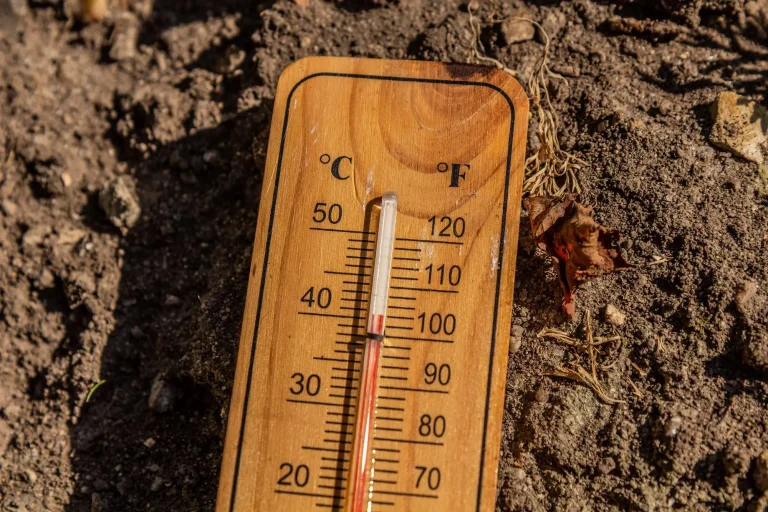
North Texas summers are hard on landscapes. After months of extreme heat, intense sunlight, water restrictions, and drought conditions, you may be seeing the results across your property. Soil can become dry and cracked. Turf can thin out. Shrubs and trees may show signs of stress, and some plants simply may not survive.
Fall gives you a chance to see what made it through the summer, identify what didn’t, and decide what should come next.
Fall is the optimal time for planting. Instead of waiting until spring, you can use the cooler months to repair damage and make improvements that prepare your landscape for the next growing season.
Start With a Post-Summer Landscape Assessment
Not every brown or struggling plant necessarily needs to be removed. Some plants may recover as temperatures cool, while others may have suffered permanent damage.
A fall landscape assessment can help you identify areas where you have:
- Dead or declining plants and shrubs
- Trees showing signs of heat or drought stress
- Bare or thinning landscape beds
- Compacted, dry, or cracked soil
- Irrigation coverage problems
- Plants that have become too large for their location
This is also a good opportunity to look beyond individual plants. If the same area struggles every summer, replacing a dead plant with the exact same variety may not solve the underlying problem. You may need a different plant, improved irrigation, or a redesigned bed.
Replace Plants While Temperatures Are Cooler
Fall can be an excellent planting season in North Texas because new plants don’t immediately face the extreme heat they would encounter in summer.
Cooler air temperatures can reduce stress while roots begin establishing in the surrounding soil. That gives many trees, shrubs, and other appropriate plantings valuable time to develop before the demands of the following summer.
New plants still require proper watering and care, but establishing them during favorable fall conditions can put them in a stronger position for next year.
Fall Is a Great Time to Plant Trees
Trees are a long-term investment in your landscape. They can provide shade, improve curb appeal, create visual interest, and make outdoor areas more inviting.
Planting suitable trees during the fall allows you to take advantage of cooler conditions while giving roots time to begin establishing before summer heat returns. When selecting a tree, consider its mature size, sunlight needs, irrigation requirements, and proximity to buildings, sidewalks, and other landscaping.
Turn Summer Damage Into an Opportunity for Enhancement
You do not have to recreate the landscape you had before the drought. Summer damage can also be an opportunity to rethink areas that were outdated, overgrown, or poorly suited to North Texas conditions.
You might redesign beds, introduce more heat- and drought-tolerant plants, add new trees, improve irrigation coverage, or create a fresh shape and appearance.
For commercial properties and HOAs, these enhancements can also restore curb appeal and create a stronger first impression for customers, tenants, residents, and visitors.
Fall is not simply the end of the growing season. It can be the start of a stronger landscape—one better prepared for whatever next summer brings.
FAQs
Why is fall a good time to replace plants in North Texas?
Cooler temperatures can reduce heat stress and give suitable new plantings time to begin establishing their roots before the following summer.
Should you remove every plant that looks damaged after summer?
Not necessarily. Some stressed plants can recover. A landscape assessment can help determine what should be kept, treated, replaced, or redesigned.
Should irrigation be checked when replacing plants?
Yes. New plants may have different watering needs, and changes to landscape beds can require sprinkler heads or irrigation zones to be adjusted for proper coverage.

Chris & Lynette Fisher founded Southern Services Landscape and Irrigation in 2000 and has actively run this family-owned business since the beginning, bringing over 55 combined years of experience in this industry. They lead a dedicated team of employees both in the office and in the field providing irrigation/sprinkler installation & repairs, commercial landscape maintenance, new landscape/irrigation construction with developers, directional boring, drainage solutions, commercial & residential landscape design and installation services throughout the DFW metroplex.