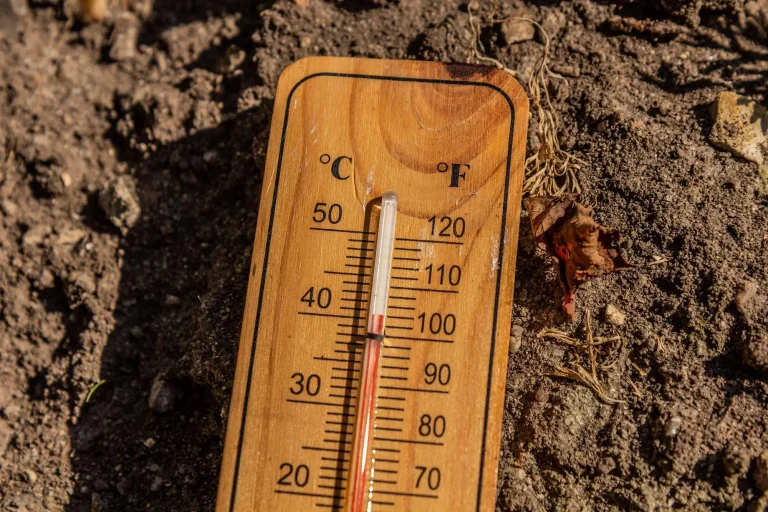
What Can Drought Teach You About North Texas Landscapes
- Learn from summer damage: Extreme North Texas heat and drought can reveal problems with your landscaping, irrigation coverage, and plant selection.
- Make improvements before next summer: Fall is a good time to evaluate struggling plants, repair irrigation problems, and plan landscape enhancements.
- Prepare for future droughts: Choose drought-tolerant plants and improve your watering strategy to help your landscape withstand our extreme heat.
North Texas summers are tough on your landscape. Between triple-digit temperatures, long periods without rain, and unpredictable weather, even well-maintained properties can struggle. As temperatures begin to cool, you have an opportunity to look back at how your landscape performed during the summer. Did certain plants struggle? Were there areas of your lawn that turned brown? Did you notice dry, cracking soil or trees that appeared stressed?
These problems will tell you a lot about your landscape needs before the next growing season.
Identify Areas That Struggled During the Summer
One of the most important things you can do after a difficult summer is to assess your landscape. Look for areas where plants struggled or died, grass became thin, or soil developed deep cracks. These conditions may indicate problems with irrigation coverage, soil quality, or plant selection.
You should also pay attention to patterns. If the same section of your property struggles every summer, there may be an underlying issue that needs attention. Rather than simply replacing dead plants, consider why they struggled in the first place.
Evaluate Your Irrigation System
Your sprinkler system plays an important role in protecting your landscape during drought conditions. If you noticed dry patches or uneven plant growth, your irrigation system may not be providing consistent coverage.
Common problems include:
- Broken or poorly positioned sprinkler heads
- Watering schedules that do not match seasonal needs
- Sprinklers blocked by overgrown plants
- Areas receiving too much or too little water
- Leaks or damaged irrigation lines
Fall is a good time to identify these problems and adjust before the next growing season.
Consider More Drought-Tolerant Landscaping
Not every plant is suited for the extreme conditions North Texas experiences. If you lost plants during the summer, consider replacing them with native or drought-tolerant varieties that are better adapted to local conditions. You might also redesign landscape beds, add shade trees, or reduce areas that require frequent watering.
For commercial properties, these improvements can help maintain curb appeal while reducing long-term maintenance needs.
Remember Your Foundation
Drought conditions affect more than just your plants. North Texas clay soil shrinks as it dries and expands when it becomes wet. Changes in soil moisture can contribute to movement around building foundations.
Maintaining appropriate, more consistent soil moisture around your property can help reduce extreme changes in the surrounding soil. However, irrigation should be carefully managed to avoid over-watering.
Use Fall to Prepare for Next Summer
You cannot control North Texas weather, but you can prepare your landscape for it. By evaluating summer damage, improving irrigation coverage, and choosing plants suited for our local conditions, you can create a healthier landscape that is better prepared for future droughts.
Southern Services Landscape & Irrigation can help property owners to evaluate their landscapes, identify irrigation problems, and plan improvements that protect their investment.
FAQs
Why did some of my plants die during the summer drought?
Extreme heat, inadequate watering, poor soil conditions, and plants that are not suited for North Texas weather can all contribute to plant loss.
Should I replace drought-damaged plants during the fall?
Fall is often an excellent time to replace suitable trees and shrubs because cooler temperatures allow roots to establish before summer returns.
How can I prepare my landscape for the next Texas drought?
You can improve irrigation coverage, choose drought-tolerant plants, apply mulch, and develop a watering plan that matches your landscape’s needs.

Chris & Lynette Fisher founded Southern Services Landscape and Irrigation in 2000 and has actively run this family-owned business since the beginning, bringing over 55 combined years of experience in this industry. They lead a dedicated team of employees both in the office and in the field providing irrigation/sprinkler installation & repairs, commercial landscape maintenance, new landscape/irrigation construction with developers, directional boring, drainage solutions, commercial & residential landscape design and installation services throughout the DFW metroplex.